Kenya safari rainy season birding is one of the most rewarding ways to see East Africa’s birds, but you need to plan around the rain. The best month for you depends on what you want: migrants, breeding plumage, green scenery, or easy roads. This guide compares the short rains of November and December with the long rains of March to May, then matches each window to specific parks and forests.
When Is the Rainy Season for Birding in Kenya?
Kenya has two rainy periods: the short rains, usually November and December, and the long rains, generally March through May or early June. November to April is the most reliable overall birding window because migratory species overlap with resident birds. March to May offers quieter parks, lush scenery, and active breeding behavior.
The short rains tend to be shorter and less intense. They arrive after the hot dry months and turn the Rift Valley lakes and grasslands green. The long rains bring heavier, more persistent rain, especially in April. In both windows, birds respond quickly to moisture. Insects appear, plants flower, and waterbirds spread across newly filled wetlands.
Timing also depends on where you go. The Rift Valley lakes fill and drain differently from the western forests, and the coast follows its own rhythm tied to the Indian Ocean monsoon. A trip built around one region only tells part of the story, which is why most rainy-season itineraries combine a lake stop with either a forest or a savannah leg.
| Rain window | Typical timing | Birding highlight | Main trade-off | Strongest sites |
|---|---|---|---|---|
| Short rains | November to December | Migrants arrive, nesting begins | Mud on dirt tracks | Lake Nakuru, Lake Naivasha, Masai Mara |
| Dry interlude | January to February | Migrants remain, breeding plumage | Heat and dust | Samburu, Lake Nakuru |
| Long rains | March to May, April often peak | Breeding activity, lush scenery | Heavy rain, some roads closed | Kakamega, Arabuko Sokoke, Masai Mara |
| Early dry | June to July | Resident birds around remaining water | Migrants depart | Lake Nakuru, Samburu |
Why Is Kenya Safari Rainy Season Birding So Rewarding?
Rain stimulates insects, flowering, nesting, and fresh vegetation, giving birds more food and breeding opportunities. Migratory birds from Europe and northern Africa are present mainly from November to April, while resident species often display breeding plumage. The season also brings fewer visitors, greener landscapes, and potentially lower accommodation rates.
The rain changes behavior. Weavers build nests, bishops and widowbirds flash colored feathers, and insect-eaters become active. Water levels rise in lakes, which pulls in waders and waterbirds. Grass grows, so large mammals spread out and become harder to spot, but birds often stay close to water and fresh growth. For photographers, soft cloud cover spreads light and cuts harsh midday glare. If lower costs matter, the rainy season can help. Our Kenya safari cost guide explains how rates move across the year.
Which Birds Can You See During Kenya’s Rainy Season?
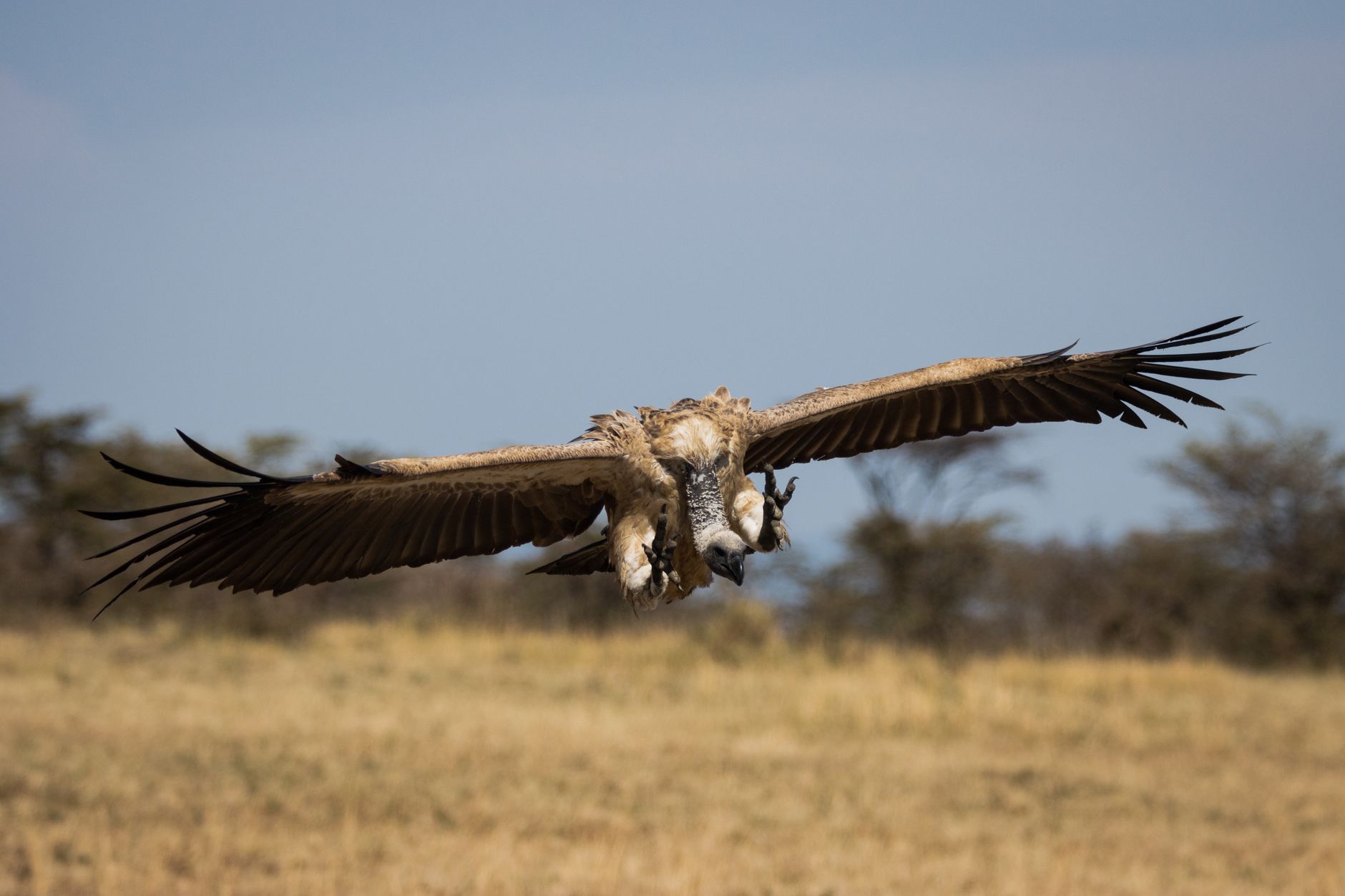
Rainy-season birding can produce migrant waders, waterbirds, raptors, rollers, bee-eaters, weavers, bishops, herons, kingfishers, and fish eagles. Lake Nakuru is productive for flamingos, pelicans, and raptors. Lake Naivasha favors waterbirds and herons. Open savannahs add migrants, insect-eaters, and colorful breeding-plumaged resident species.
At Lake Nakuru, look for white pelicans, yellow-billed storks, and African fish eagles. At Lake Naivasha, herons, kingfishers, cormorants, and African jacanas hunt along the edges. On the open plains of the Masai Mara, migrants such as steppe buzzards and lesser kestrels mix with grassland birds. In western Kenya, Kakamega Forest holds specialists like the great blue turaco and Turner’s eremomela. Along the coast, Arabuko Sokoke protects rare endemics such as the Sokoke pipit.
A good starting point is the Lake Nakuru bird checklist, which covers the flamingos, pelicans, and raptors that make the lake famous. If you are choosing between two Rift Valley lakes, think about whether you want shoreline drives at Nakuru or boat access at Naivasha.
Which Kenya Safari Destinations Are Best for Rainy-Season Birding?
Choose Lake Nakuru for accessible Rift Valley waterbirds and raptors, Lake Naivasha for boat-based lake birding, and the Masai Mara for migrants across green grasslands. Kakamega Forest and Arabuko Sokoke add forest specialists during wetter months, while Samburu suits dry-country species and can complement a wetter central Kenya itinerary.
Lake Nakuru is reliable because the lake and surrounding woodland hold water even during rain. Lake Naivasha is a strong choice for boat trips along the shoreline, where fish eagles and kingfishers are common. The Masai Mara rewards birders on slower game drives, especially in conservancies where vehicles are fewer. Samburu brings a different cast, including vulturine guineafowl, Somali bee-eater, and dry-country species that remain active even when central Kenya is wet. For a full Kenya birding safari, combine one lake, one forest, and one savannah habitat.
You can read more about the Mara in our Masai Mara guide and about the north in our Samburu safari guide. Both areas stay productive in the rainy months, though their access roads differ.
Does Rain Affect Game Drives in Kenya?
Rain rarely eliminates birding, but it can make unpaved roads slow, slippery, or temporarily impassable, particularly during the April to May long rains. Downpours often arrive in the afternoon or evening, leaving early mornings useful for drives. Travelers trade easier logistics and predictable wildlife concentration in dry months for migrants, breeding activity, green scenery, and fewer crowds.
Short afternoon storms are common. An early morning drive can be clear and dry. By late afternoon, a thunderstorm may close in. In April and May, roads can become slick. Some camps close temporarily during the long rains, especially in conservancies with seasonal access. Before you book, ask about road conditions and camp calendars. Our Kenya rainy-season road advice covers the practical side of planning around wet tracks.
How Do You Plan a Successful Rainy-Season Birding Safari?
Schedule drives at first light, allow extra road time, and use a vehicle with good ground clearance and an experienced local driver. Pack waterproof layers, dry bags, lens protection, and footwear suited to mud. Combine a lake, forest, and savannah habitat, and confirm that camps, roads, boat operators, and conservancies are operating before booking.
A Kenya safari rainy season birding itinerary should mix habitats so you can see both migrants and breeding residents. Build in flexibility. If one road is blocked, your driver can redirect to another site. A 4×4 with high clearance is worth the extra cost in the long rains. An experienced guide who knows wet tracks is even more valuable. For packing details, see our Kenya safari packing list.
Booking a few months ahead also helps during the rainy season. Some camps reduce staffing or close entirely for maintenance during the quietest weeks of the long rains. Confirm that a property is open before you build an itinerary around it. A local operator can usually tell you which camps are running and which roads are passable. That is harder to judge from a listing alone.
What Do Travelers Ask About Rainy-Season Birding?
Is Kenya Good for Birding During the Rainy Season?
Yes. The rainy season is often Kenya’s best period for birding because migrants are present, resident birds breed, and many species show brighter plumage. The main disadvantages are muddy roads, occasional canceled activities, and heavier downpours during the long rains.
What Is the Best Month for Bird Watching in Kenya?
November through February is a strong choice for combining migrant arrivals, breeding activity, and manageable travel conditions. March through May can be better for dedicated birders who accept wetter weather, quieter parks, and more difficult roads.
When Do Migratory Birds Arrive in Kenya?
Many migratory birds arrive between November and April, with species from Europe and northern Africa joining Kenya’s resident birdlife. Exact sightings vary by habitat, rainfall, and migration route, so lake, grassland, wetland, and forest stops increase the range of species encountered.
Is It Worth Going on Safari in Kenya During the Long Rains?
It is worthwhile for birders, photographers, and travelers seeking green scenery and fewer visitors. The long rains from March to May can bring breeding behavior and excellent bird activity, but travelers should expect slower roads, occasional heavy rain, and possible seasonal lodge closures.
How Many Days Should a Rainy Season Birding Safari Last?
Most rainy-season birding trips work best over a week to ten days, enough time to cover a lake, a forest, and a savannah stop without rushing between them. Shorter trips can still work if you focus on one or two reliable sites, such as Lake Nakuru paired with the Masai Mara.
How Do You Compare Safari Operators for a Rainy Season Trip?
Rainy-season pricing, road access, and camp openings shift from week to week, so it pays to compare safari operators before you commit to dates. Compare safari operators and browse packages on FindMySafari, Valley Safaris, or Trunktrails Safaris, and ask each one about current road conditions and camp availability for your travel window.
- Best time to visit Kenya map from SafariPure
- Best time to visit Kenya from Trunktrails Safaris
- Best time to visit Kenya month-by-month map from Valley Safaris
- Compare Kenya safari packages on FindMySafari